Antimicrobial Resistance: Policymaking and Policy Implementation
Antimicrobial resistance (AMR) is a leading cause of death globally. In 2021, nearly 5 million deaths were associated with AMR and one million deaths were directly attributable to AMR. These numbers are projected to increase to 8 and 2 million deaths, respectively, by 2050 (Naghavi et al., 2024). AMR is caused by misuse and overuse of antimicrobials—including antibacterials, antivirals, antifungals, and antiparasitics—in human health care and animal farming.
I analyze how government’s at different levels respond to antimicrobial resistance.
At the global level, together with Professor Gayani Tillekeratne at Duke University and our research team, I have analyzed the new (2026-2035) Global Action Plan on AMR. Our policy analysis has been published (open access) in the Lancet Planetary Health, available for downloading here. This project has been funded by Duke University, Bass Connections.
At the nation level, I analyze the implementation of China’s National Action Plan on Antimicrobial Resistance, including China’s provincial level action plans on AMR (funded by the World Health Organization, see this interview) and the role of social media (Douyin) in raising awareness about AMR. This research has been supported by the DKU Summer Research Scholar Program.
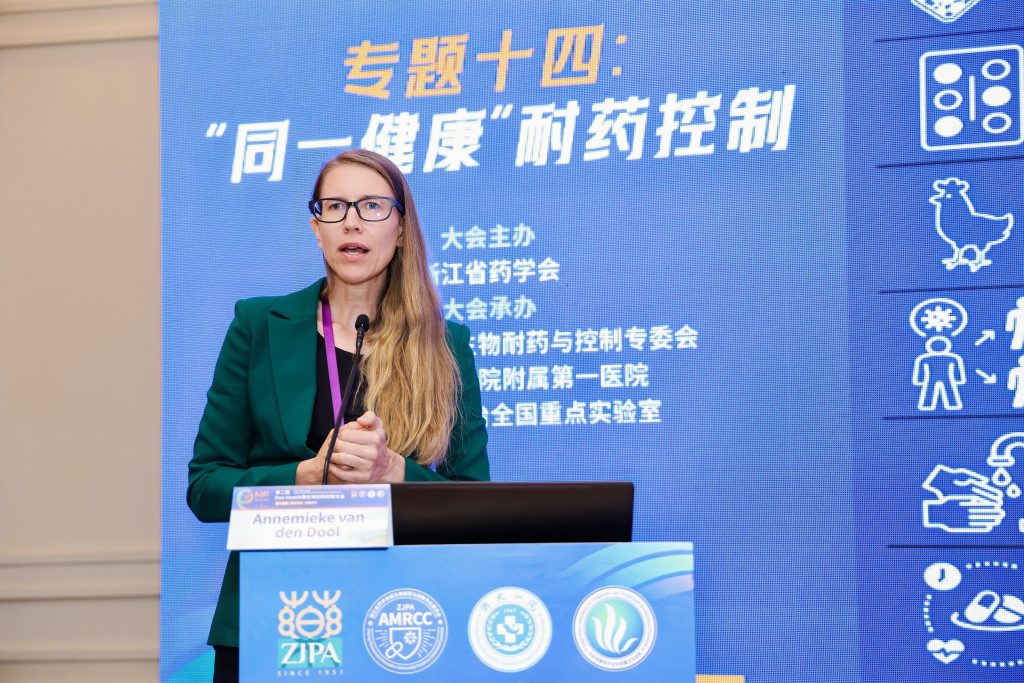
These projects have been presented at the National University of Singapore (2023), the DKU Summer Research Scholars Poster Session at Duke Kunshan University (November 2024), the One Health Conference of Antimicrobial Resistance Containment in Hangzhou (2024 and 2025), and at Tsinghua University (2024 and 2025).
My research on antimicrobial resistance contributes to a better understanding of how national-level health policy is made at the national level in China (policy formulation) and how it is subsequently put into practice (policy implementation).
Click here to read about my other research projects on policy processes in China.